Thunder Bay Electrician Services: Certified Electrical Solutions
Skilled Electrical Contractor Solutions for Any Situation
A skilled electrical service provider provides solutions that manage a broad spectrum of needs in both commercial and residential sectors. These experts guarantee compliance to safety standards and improve operational efficiency. Spanning installations through energy conservation, their expertise proves crucial for minimizing hazards and avoiding costly errors. Comprehending the complexities of local regulations additionally reinforces their worth. However, steering through the selection and engagement process can be complicated, presenting important questions about how to choose the right contractor for specific needs.
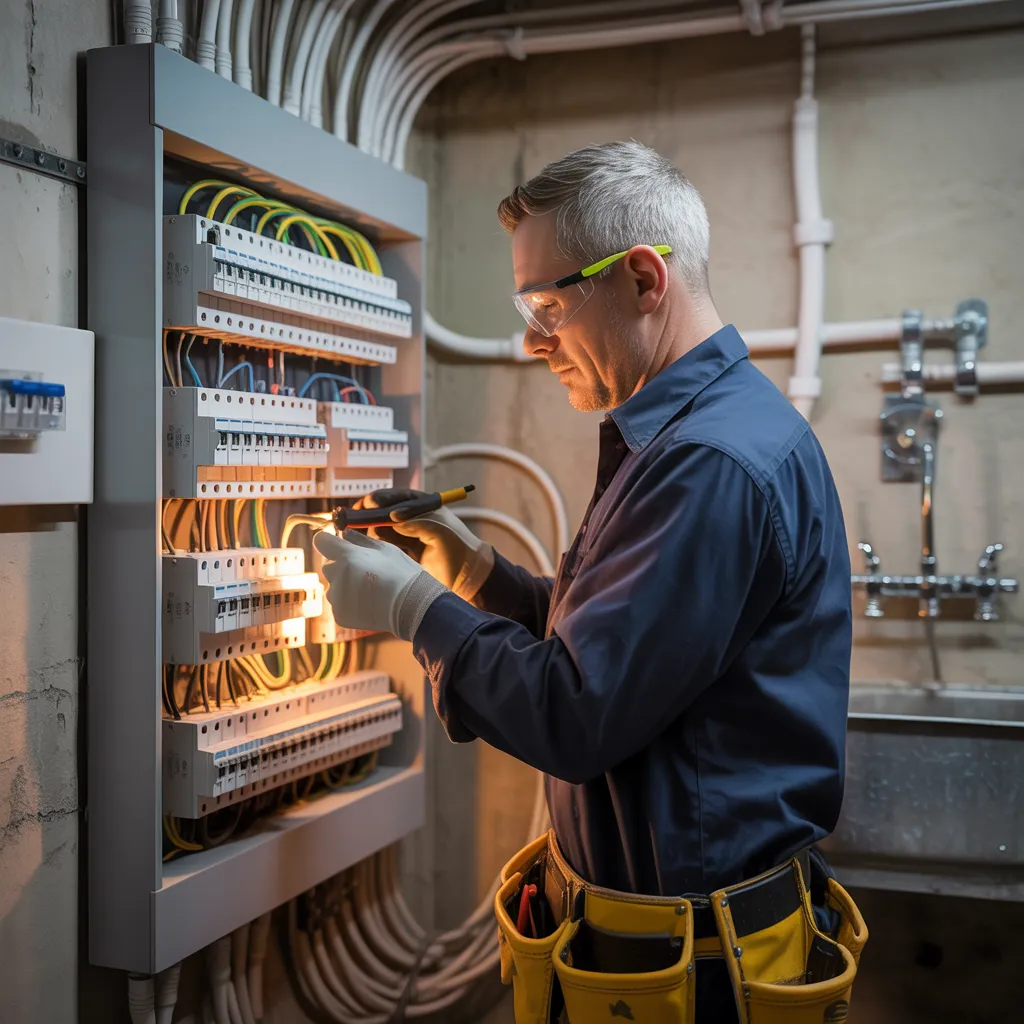
Why Choosing a Proficient Electrical Contractor Is Necessary
Bringing on a experienced electrical contractor can strongly impact the protection and functionality of a building's electrical infrastructure. These skilled experts have the necessary know-how and experience to assure that all electrical installations meets local codes and regulations. This adherence cuts down the risk of dangers such as fires from electricity, shock, and equipment failure. Moreover, a experienced specialist can accurately evaluate the specific power requirements of a property, furnishing tailored approaches that strengthen output and results.
Combined with safety, retaining an authority can avert costly mistakes that often arise from DIY attempts or retaining unlicensed individuals. Their expertise enables timely project completion without sacrificing standards. Additionally, a reputable contractor generally offers warranties and assurances, providing peace of mind to property owners. Ultimately, the decision to hire a certified electrical specialist is not solely about convenience; it is an important investment in the long-term safety and dependability of a property's electrical infrastructure.
Frequent Electrical Services Extended by Specialists
A extensive variety of electrical expertise is usually delivered by service providers to meet multiple client needs. These offerings cover residential electrical systems, where technicians establish and care for electrical systems in houses, ensuring security and conformity with regional regulations. Commercial electrical operations encompasses deployment and repairs in business environments, stressing optimal energy consumption and stable performance.
In addition, service providers execute lighting installation and upgrades, increasing both aesthetics and functionality in various spaces. They also have expertise in troubleshooting and repairing electrical complications, correcting malfunctions like erratic lights or circuit overloads.
Furthermore, consumption analysis reviews are carried out to aid customers in reducing consumption and decreasing power bills. Contractors regularly help with the deployment of smart home systems, integrating technology for better control and convenience. Finally, urgent electrical repair are accessible to tackle pressing issues, ensuring that clients access fast support when needed.
Reviewing Electrical Contractor Qualifications
Evaluating the credentials of an electrical contractor is essential for ensuring excellence and safety in electrical projects. Key points include the required permits and qualifications, thorough insurance and liability protection, and a solid history of knowledge. These components working together provide a basis for appraising the contractor's reliability and competence.
Authorizations And Certifications Required
Licensing and certifications are key indicators of an electrical contractor's credentials and compliance to industry standards. Every region has particular licensing requirements that contractors must meet, typically involving a integration of education, training, and experience. Certifications from approved organizations further validate a contractor's expertise in specialized areas such as residential, commercial, or industrial electrical work. These credentials not only ensure compliance with local regulations but also reflect a dedication to safety and professionalism. Clients should verify these credentials before hiring, as licensed contractors generally possess greater knowledge of current codes and best practices. Ultimately, proper licensing and certifications enhance consumer confidence and help to the successful completion of electrical projects.
Insurance And Responsibility Coverage
Insurance and liability coverage are critical components when assessing the credentials of an electrician. These safeguards guarantee that both the service provider and the customer are safeguarded against potential accidents. A qualified electrician should have comprehensive liability coverage, which covers structural harm or harm that may happen during the project. Additionally, workers' compensation insurance is crucial, as it shields against on-the-job harm sustained by staff members. Customers should verify that the service provider's insurance is current and sufficient to account for the scope of work. This not only reduces financial risk but also demonstrates the service provider's commitment to professional standards and safe practices. Ultimately, robust protective insurance and liability protections serve as signs of a trustworthy and accountable electrical contractor.|Insurance and financial protection are essential components when assessing the credentials of an electrician. These safeguards ensure that both the service provider and the customer are protected against possible mishaps. A qualified electrician should possess general liability insurance, which protects against structural damage or harm that may occur during the project. Additionally, employee injury coverage is crucial, as it protects against workplace injuries sustained by staff members. Customers should confirm that the service provider's insurance is up-to-date and adequate to cover the extent of the project. This not only mitigates monetary exposure but also demonstrates the contractor's dedication to safe practices and professional standards. Ultimately, robust insurance and liability coverage act as signs of a trustworthy and accountable electrical contractor.|Insurance and liability coverage are critical elements when reviewing the qualifications of an electrician. These protections ensure that both the service provider and the customer are safeguarded against potential accidents. A competent electrical contractor should have general liability insurance, which protects against structural harm or harm that may occur during the project. Additionally, workers' compensation insurance is crucial, as it shields against workplace injuries sustained by staff members. Customers should verify that the service provider's insurance is up-to-date and adequate to account for the scope of work. This not only reduces financial risk but also demonstrates the contractor's commitment to professionalism and safety. Ultimately, comprehensive protective insurance and liability protections serve as indicators of a reliable and responsible electrician.
Knowledge And Portfolio
Experience works as a essential element in determining the qualifications of an electrical contractor. A contractor's history of completed projects demonstrates their ability to manage various electrical tasks, from residential installations to complex commercial systems. Potential clients should scrutinize the contractor's portfolio, seeking evidence of successful projects that match their specific needs. Additionally, years in the industry often point to a deeper knowledge of regulatory requirements and safety standards. Client testimonials and reviews can provide insights into reliability and customer satisfaction. Certifications and licenses further confirm a contractor's expertise, showcasing ongoing education and adherence to industry standards. Ultimately, a robust track record enables informed decision-making, ensuring clients select a contractor capable of delivering quality work consistently.
The Importance of Electrical Specialists in Home Renovations
Across the intricate dance of home remodeling, electrical specialists are instrumental, ensuring that every electrical and light choice improves both safety and aesthetics. Their expertise is essential in designing and implementing electrical configurations that comply with building codes and regulations. From setting up energy-efficient lighting to strategically placing outlets, these professionals ensure usability and ease throughout the home.
Furthermore, electrical contractors evaluate existing systems, pinpointing necessary upgrades or repairs that enhance overall energy efficiency. This not just lowers energy expenses but also contributes to a greener home space. They collaborate closely with additional skilled workers, coordinating their work with plumbing, carpentry, and design elements to develop a unified remodeling strategy.
In the end, the role of electrical contractors is indispensable for turning a house into a protected, elegant, and up-to-date home, emphasizing their value in any successful renovation project.
Electrical Contractor Alternatives for Commercial Spaces
Within commercial spaces, electrical contractors serve a important function in deploying efficient wiring installations and energy management systems. These strategies not only increase operational efficiency but also deliver budget reductions over time. By emphasizing cutting-edge electrical approaches, businesses can fine-tune their energy consumption and enhance overall functionality.
Streamlined Wiring Implementations
Efficient wiring configurations are important for enhancing capability and protection in commercial spaces. A strategically planned wiring arrangement improves electrical performance while lowering the risk of hazards. Expert electrical specialists examine the particular demands of each establishment, making certain that wiring is modified to provide various applications, from lighting to heavy machinery. By using superior materials and following industry standards, they reduce maintenance challenges and extend the longevity of electrical systems. In addition, efficient wiring solutions facilitate future enhancements and growth, permitting businesses to adapt to dynamic technological demands. Ultimately, investing in efficient wiring systems not only improves operational effectiveness but also contributes to a safer working environment, encouraging overall productivity and peace of mind for both employers act now and employees.
Energy Management Systems designed to boost performance and decrease energy expenditures
Enhancing electrical systems is more than just efficient wiring installations; it involves implementing energy management systems (EMS) that improve energy efficiency in commercial spaces. EMS solutions enable real-time monitoring and control of energy consumption, helping businesses to recognize usage patterns and minimize waste. By integrating advanced technologies, such as smart meters and automated controls, EMS can substantially reduce operational costs while encouraging sustainability. Electrical contractors serve a key role in creating and installing these systems, ensuring they fulfill the unique commercial needs. With tailored EMS solutions, businesses can attain greater energy efficiency, comply with regulations, and enhance their overall operational performance. Implementing an EMS not only benefits the bottom line but also contributes to a greener environment.
Strategies for Presenting Your Project Needs to Contractors
Clearly communicating project requirements is vital when working with electrical contractors. Clients should begin by establishing the project scope, specifying the type of work involved, whether it's new installations, upgrades, or repairs. Giving thorough details assists contractors understand expectations and necessary resources.
Additionally, parties involved should inform their budget constraints and timelines. Sharing these parameters allows builders to recommend realistic plans and timelines. It is also beneficial to converse about any specific preferences for supplies or innovations, as well as any relevant safety or regulatory considerations.
Visual aids, such as diagrams or photos, can further enhance learning. Encouraging open dialogue creates a collaborative atmosphere, enabling contractors to ask clarifying questions and suggest alternatives. Finally, establishing a primary point of contact guarantees smooth coordination during the project. By following these guidelines, clients can effectively convey their needs, leading to successful project outcomes.
What You Should Understand About the Electrical Service Timeline
What can one expect during the electrical work process? Initially, the electrician will conduct an assessment of the project needs, discussing the extent and any particular issues. Following this, they will deliver a detailed estimate, detailing expenses and schedules. Once the contract is in effect, the professional will arrange the work and secure any required licenses.
During the real implementation, one can look forward to explicit communication regarding progress and foreseeable disruptions. The contractor will affirm safety protocols are maintained, minimizing risks to both workers and residents. As the project advances, reviews may occur to ensure compliance with local codes.
Once completed, the contractor will perform a final walkthrough, resolving any issues and guaranteeing all systems operate correctly. Ultimately, they will deliver documentation, including warranties and maintenance tips, guaranteeing that the homeowner is well-informed about their new electrical installations. This comprehensive process aims to deliver dependable and effective electrical solutions.
Popular Asked Questions
What Does It Cost to Bring On an Electrical Contractor on Typically?
An electrical contractor average charge generally sits between $50 to $100 per hour, determined by the project difficulty and location. Flat rate pricing for particular jobs could be relevant, differing based on scope.
What Duration Do Normal Electrical Jobs Require to Be Done?
Regular electrical work duration differs, often lasting a few increments to several days, dictated by the intricacy of the work. Factors such as the type of installation, preexisting wiring setup, and operational competence significantly impact completion time.
Are Electrical Contractors Licensed in All States?
Electrical professionals are usually obligated to obtain a certification in most states, guaranteeing they satisfy specific education and experience requirements. However, certification standards can differ considerably, so it's critical to check local regulations for precise information.
Is it within my ability to Handle Any Electrical Tasks Myself?
Individuals can carry out some modest electrical projects themselves, such as changing outlets or light fixtures, but must respect local codes. For complex tasks, hiring a licensed professional is wise to guarantee safety and compliance.
What Precautions Ought to I Implement if an Electric Emergency Happens?
When facing an electricity emergency, one must without delay turn off the power at the circuit breaker, avoid contact with any live wires, and get in touch with a skilled electrician for support to guarantee safety and the right resolution.